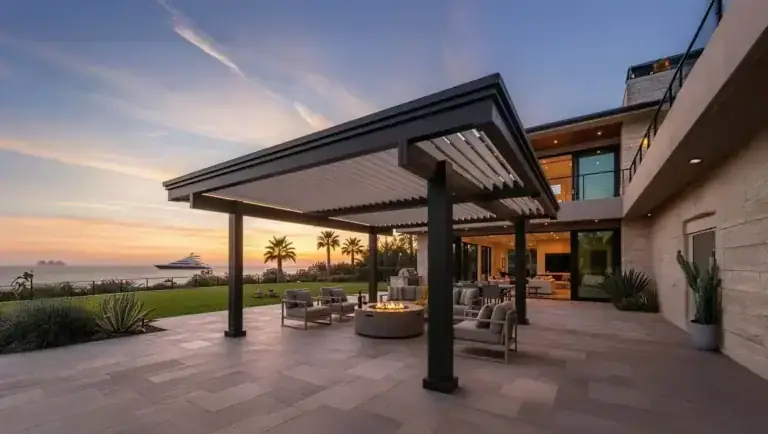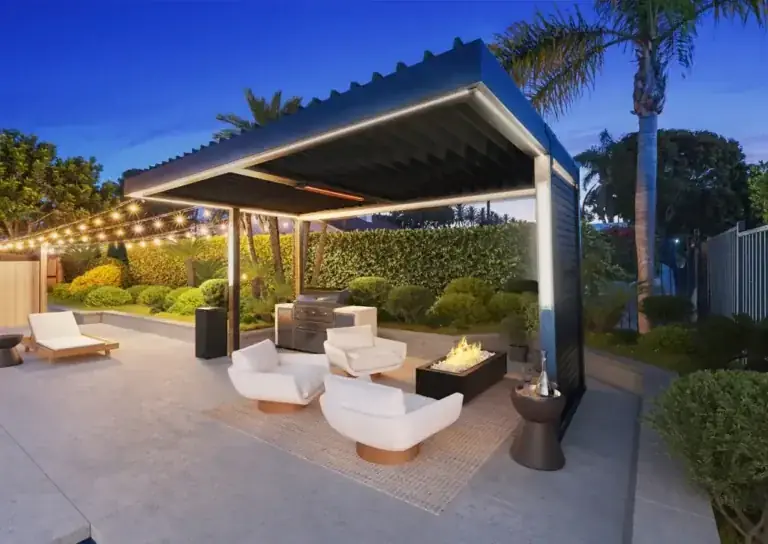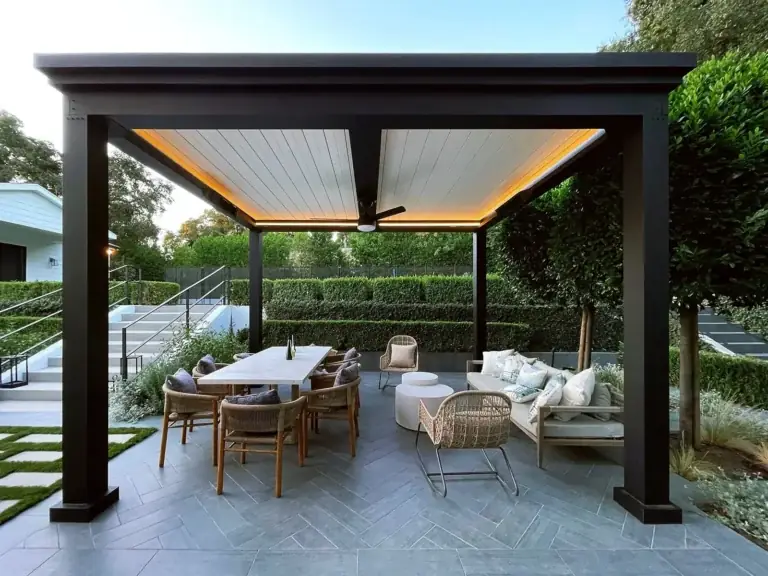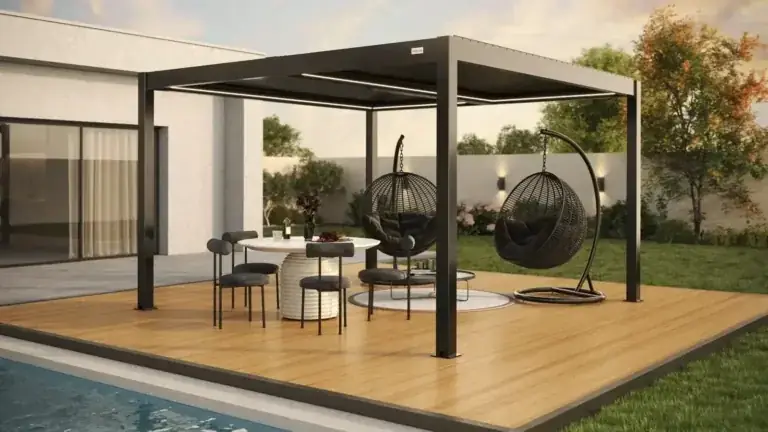
Luxury Coastal Pergola USA Architectural Design and Material Standards
Architectural shade installations built along American coastlines demand rigorous structural engineering and advanced material science. High atmospheric humidity, direct salt spray, and extreme wind forces degrade standard outdoor building materials rapidly. Luxury Coastal Pergola USA. Translating luxury residential visions into durable coastal outdoor living environments requires analyzing site microclimates, structural load paths, and marine metallurgy carefully.
Designing luxury outdoor frames along coastal regions involves evaluating local soil capacities, extreme weather events, and regional building codes. Architects must balance open-air aesthetic elegance against strict structural stability requirements during tropical storms or winter nor’easters. Choosing inadequate alloys, unsealed fasteners, or improper foundation footings leads to premature structural failure and expensive property damage.
Creating resilient architectural shade structures requires using marine-grade aluminum, structural hardwoods, specialized coatings, and stainless steel hardware. Advanced motorized louvers, integrated rain management systems, and automated weather sensors allow these structures to adjust dynamically to changing coastal weather conditions. Proper planning ensures that luxury installations offer lasting visual beauty and full structural safety over long operational lifespans.
This comprehensive guide analyzes structural engineering principles, marine corrosion mechanisms, coastal zoning compliance, and material selection criteria. Mastering these technical factors allows property owners, architects, and builders to construct long-lasting outdoor living environments across diverse American coastal environments.
Understanding Luxury Coastal Pergola USA Architectural Standards
Material Dynamics in Coastal Environments
Executing a luxury coastal pergola USA project requires analyzing environmental factors that destroy standard building materials. Airborne salt crystals accumulate on horizontal surfaces continuously, absorbing atmospheric moisture to accelerate galvanic corrosion across metal connections. Specifying high-grade architectural alloys and protective finishes shields metal components from harsh marine environments effectively.
Wind Engineering and Structural Load Resistance
Coastal shade structures must withstand powerful wind forces, including severe hurricane gusts, without flexing or lifting. Engineers calculate pressure coefficients across louver blades, beams, and columns to ensure entire structural assemblies remain intact. Secure foundation anchors transfer dynamic wind forces safely down into deep soil strata, preventing frame displacement.
Motorized Automation and Climate Sensor Integration
Modern coastal installations incorporate motorized louver systems that react automatically to real-time weather changes. Integrated rain sensors close overhead louvers at the first drop of precipitation, protecting outdoor furniture from water damage. High-wind anemometers open louver blades during severe storms, reducing wind resistance and preventing structural damage.
Environmental Permitting and Coastal Zoning Alignment
Navigating coastal construction permits involves adhering strictly to local zoning laws, setback rules, and environmental regulations. Municipalities enforce strict height limits, lot coverage restrictions, and coastal construction control lines to protect fragile shorelines. Securing necessary building permits requires submitting fully certified engineering calculations and detailed architectural site plans.
Deep Contextual Background
Evolution of Outdoor Architectural Structures
For decades, coastal shade structures relied on heavy timber framing built from pressure-treated pine or cedar. While traditional wood frames offered rustic appeal, constant exposure to damp salt air caused rapid warping, splitting, and fungal decay. Maintaining traditional wood frames required frequent sanding, painting, and costly structural repairs every few years.
Modern Marine Metallurgy and Coating Innovations
Advances in structural metallurgy led to marine-grade extruded aluminum alloys, such as 6005-T5 and 6063-T6. These high-strength alloys provide exceptional structural rigidity while resisting internal corrosion when exposed to continuous moisture. Applying fluoropolymer resin coatings like Kynar 500 shields aluminum surfaces from aggressive UV radiation and chemical degradation.
Automation and Smart Building Integration
Integrating digital control systems transformed static shade structures into intelligent, reactive outdoor living environments. Low-voltage electric actuators adjust louver angles precisely, managing sunlight exposure and natural ventilation throughout the day. Homeowners manage overhead louvers, integrated lighting, and drop-down side screens easily using smartphone applications or automated home controllers.
Conceptual Frameworks and Mental Models
The Atmospheric Corrosion Microzone Model
Evaluating site exposure levels based on proximity to active surf lines helps architects choose appropriate materials accurately. Properties located within two thousand feet of breaking ocean waves face severe salt-spray exposure and require marine-grade materials. In sheltered coastal bays or elevated bluffs, mild salt-spray concentrations allow greater flexibility in surface finish selection.
The Continuous Structural Load Path Concept
Transferring physical forces safely through structural frame members prevents connection failures during extreme storm events. Downward snow or rain loads pass from louver blades into horizontal headers, vertical posts, and concrete foundations. Upward wind suction forces pull against post anchors, requiring heavy concrete footings or helical steel piers to prevent uplift.
The Integrated Microclimate Control Framework
Designing adaptable outdoor structures involves balancing solar shading, airflow regulation, and water management seamlessly. Adjustable louver systems let users block harsh summer sun while directing cool ocean breezes through living areas below. Integrated internal gutters channel rainwater into hidden downspouts inside support columns, keeping patio areas completely dry.
The Structural Life-Cycle Evaluation Matrix
Comparing upfront construction expenses against ongoing maintenance costs highlights the true economic value of premium building materials. Lower-cost materials often require frequent repainting, hardware replacements, and structural repairs that accumulate over time. Investing in marine-grade aluminum and stainless steel hardware reduces long-term maintenance demands, providing superior financial value.
Key Categories of Coastal Shade Architecture
Marine-Grade Extruded Aluminum Louvered Frames
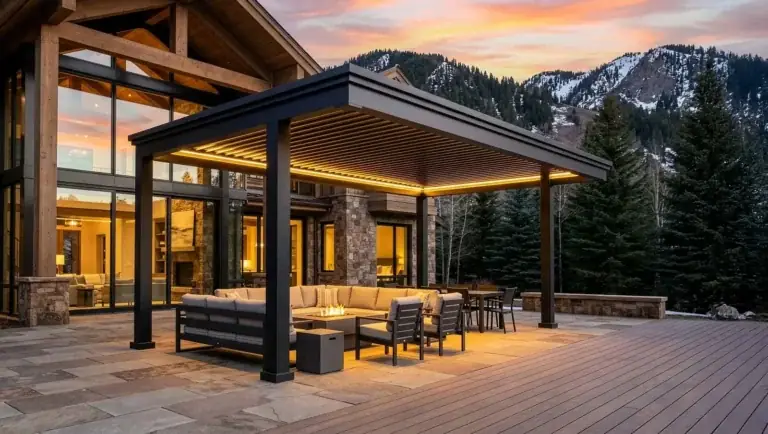
Extruded aluminum louvered frames represent the top standard for modern coastal outdoor shade architecture. Premium aluminum profiles feature internal structural ribs that support long spans without central support columns or visible beam sag. Factory-applied fluoropolymer coatings protect aluminum surfaces from salt spray, preventing surface chalking and color fading over decades.
Structural Ipe and Teak Hardwood Systems
Dense tropical hardwoods like Ipe and Teak contain natural oils that resist insect infestation, water absorption, and fungal decay. These heavy woods offer remarkable structural strength and natural beauty that ages into a silver-grey patina over time. However, maintaining warm hardwood colors requires applying specialized marine penetrating oils annually to shield wood fibers from UV rays.
Reinforced Fiberglass Composite Pergola Structures
Pultruded fiberglass composite members offer lightweight structural strength without rusting, rotting, or conducting thermal heat. Composite structural profiles can span long distances easily without requiring intermediate columns or steel internal reinforcements. Paint systems engineered for fiberglass surfaces resist cracking, providing low-maintenance performance along humid shorelines.
Marine-Grade Stainless Steel Cable Tension Frameworks
Sleek tensioned cable frameworks use high-tensile 316 stainless steel cables anchored to heavy structural columns. These open-concept designs support retractable fabric canopies or climbing vines, creating light, airy outdoor spaces. Specifying passivated 316 stainless steel components prevents tea-staining corrosion, preserving clean aesthetic lines in humid salt air environments.
Motorized Retractable Fabric Canopy Systems
Retractable fabric shade systems feature flexible marine acrylic textiles supported by sliding horizontal aluminum crossbeams. Industrial electric motors open or retract fabric canopies smoothly, giving users full control over overhead sky views. Using solution-dyed acrylic fabrics like Sunbrella guarantees excellent color fastness, water repellency, and resistance to UV degradation.
Comparative Analysis of Coastal Structural Framing Materials
Evaluating structural framing materials reveals important differences in upfront costs, durability, maintenance demands, and structural performance.
| Framing Material Class | Relative Initial Cost | Corrosion Resistance | Structural Span Capacity | Annual Maintenance Demand |
| Marine Aluminum (6060-T6) | High | Exceptional (Pre-treated) | High (Up to 24 Feet) | Very Low (Fresh Water Wash) |
| Tropical Hardwood (Ipe) | High to Very High | High (Natural Oils) | Moderate (Up to 16 Feet) | High (Annual Oil Application) |
| Pultruded Fiberglass | High | Exceptional (Impervious) | High (Up to 20 Feet) | Low (Periodic Cleaning) |
| 316 Stainless Steel | Very High | Exceptional (Passivated) | High (Tensioned Spans) | Low (Periodic Passivation) |
| Coated Galvanized Steel | Moderate to High | Moderate (Risk at Cuts) | Very High (Heavy Spans) | Moderate (Touch-up Painting) |
Systematic Decision Protocol for Coastal Installations
Selecting structural materials and framing configurations requires evaluating specific site constraints step-by-step:
-
Assess Direct Ocean Exposure:
-
Choose fluoropolymer-coated marine aluminum or pultruded fiberglass for oceanfront properties within five hundred feet of surf lines.
-
Select tropical hardwoods or structural aluminum for properties located over half a mile inland along coastal waterways.
-
-
Calculate Maximum Wind Load Requirements:
-
Specify heavy extruded aluminum profiles with dual-walled louver blades for official hurricane-prone zones requiring 150+ mph wind ratings.
-
Use tensioned cable systems or retractable fabric frames in sheltered inland coastal locations with lower wind exposure.
-
-
Determine Maintenance Preferences:
-
Select automated aluminum louvered systems when property owners prefer minimal, low-effort routine maintenance.
-
Choose tropical hardwoods when property owners accept regular annual oiling to maintain natural wood aesthetics.
-
Detailed Real-World Scenarios Luxury Coastal Pergola USA
Scenario A: High-Wind Barrier Island Installation
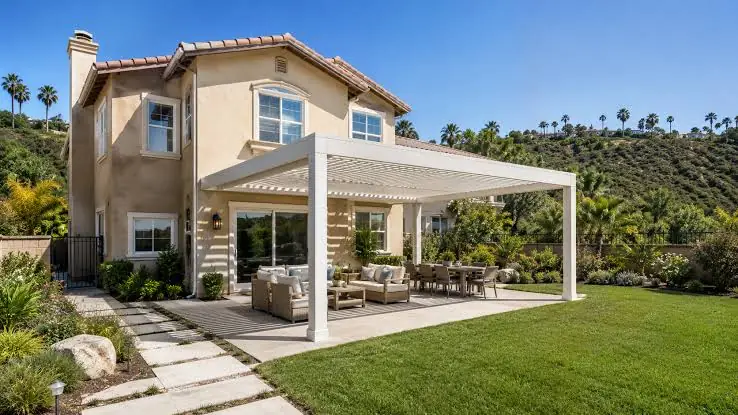
A homeowner builds a luxury outdoor living space on a barrier island subject to 160-mph hurricane wind requirements. Installing lightweight unanchored frames or unsealed wood beams would lead to immediate structural failure during severe coastal storms. The engineering team specifies a heavy marine-grade aluminum louvered system anchored to deep concrete piers with 316 stainless steel bolts.
Scenario B: Oceanfront Salt-Spray Cliffsite Application
An oceanfront estate sitting directly on a rocky cliff experiences continuous salt spray, high humidity, and intense sun exposure. Standard powder-coated aluminum posts show surface blistering and corrosion around cut metal edges within two years. The architect specifies a pultruded fiberglass structure finished with a marine fluoropolymer coating, eliminating rust and surface degradation entirely.
Scenario C: Coastal Inland Canal Waterway Residence
A residential project along a calm coastal canal requires a wide shade structure without central support posts blocking water views. Using standard timber beams limits unsupported spans to sixteen feet, requiring mid-span posts that block scenic views. Installing engineered extruded aluminum headers permits a twenty-four-foot open span, preserving unobstructed views across the canal.
Scenario D: Historic Coastal District Design Restriction
A historic oceanfront home requires a new shade structure that complies with strict historic preservation guidelines prohibiting modern metal designs. Installing industrial aluminum louvered frames would violate local historical architectural standards and result in permit denials. The design team uses certified tropical Ipe wood crafted with traditional joinery details, satisfying historical board requirements while ensuring long-term rot resistance.
Financial Dynamics, Cost, and Resource Planning
Managing construction budgets for luxury outdoor structures requires accounting for high-grade raw materials, specialized labor, and engineering certifications.
| Budget Category | Cost Share Percentage | Primary Cost Drivers | Cost Control Strategy |
| Structural Framing & Louvers | 45% – 55% | Alloy Grade, Span Lengths, Coating Type | Standardize module dimensions to match factory extrusion lengths. |
| Automation & Smart Controls | 15% – 20% | Motor Quality, Sensor Suite, App Integration | Select integrated control packages from single primary manufacturers. |
| Foundation & Site Engineering | 15% – 20% | Soil Conditions, Helical Piles, Rebar Steel | Conduct early soil borings to size concrete footings accurately. |
| Permits, Fees & Approvals | 5% – 10% | Coastal Clearances, PE Stamps, Wind Testing | Submit pre-engineered, factory-certified plans on initial filing. |
Financial Capital Allocation for Coastal Installations
Investing in high-grade materials like marine aluminum, 316 stainless steel fasteners, and fluoropolymer coatings protects long-term property values. Lower-grade exterior materials degrade quickly in salt air, resulting in frequent repair costs, surface repainting fees, and premature structural replacements. Allocating adequate capital upfront eliminates recurring maintenance bills and prevents costly structural failures.
Comprehensive Coastal Expenditure Matrix
Calculating total cost of ownership involves combining upfront material costs, installation fees, and expected maintenance expenses over a twenty-year operational lifespan. High-quality marine aluminum systems require higher initial capital but demand minimal maintenance investments over time. Lower-cost alternatives often incur high long-term maintenance costs that exceed initial purchase price savings.
Tools, Strategies, and Support Systems
Deploying specialized hardware, automated sensors, high-performance coatings, and advanced engineering software ensures long-term structural success.
Marine-Grade Fastener Systems
Securing frame connections along ocean shorelines requires using 316-grade stainless steel or titanium fasteners exclusively. Standard zinc-plated or 304 stainless steel bolts suffer from severe pitting and tea-staining corrosion when exposed to damp salt air. Passivated 316 stainless steel fasteners maintain high tensile shear strength without rusting, keeping structural joints completely secure.
Automated Climate Sensing Stations
Integrated weather sensing units monitor wind velocity, ambient temperature, and precipitation continuously to protect outdoor living structures. High-wind anemometers trigger electric motors to open louver blades automatically when wind speeds exceed set safety thresholds. Automated safety systems prevent wind pressure accumulation under closed louvers, protecting structural frames during sudden coastal storms.
Fluoropolymer Architectural Finishes
Applying liquid fluoropolymer coatings, such as PVDF or Kynar 500, creates an inert protective barrier over aluminum extrusions. These high-performance finishes resist intense solar UV radiation, chemical degradation, and salt-spray erosion far better than standard powder coatings. Quality fluoropolymer finishes retain their original gloss and color vibrancy for decades in aggressive marine environments.
Finite Element Wind Modeling Software
Structural engineers utilize digital finite element analysis tools to simulate complex wind airflow patterns across louvered roof systems. Computer simulations identify structural stress concentration points across beams, louver pins, and column anchors under high wind pressures. Modeling wind loads accurately allows engineers to optimize structural member sizes before manufacturing begins.
Structural Helical Steel Piles
Installing galvanized helical steel piles provides superior anchor foundation support in soft, sandy coastal soils without extensive excavation. Steel helical plates screw deep into stable subsoil strata, offering high uplift and downward compression load capacities. Helical piles install quickly with minimal site disruption, creating stable foundation anchors for heavy structural columns.
Marine Stainless Steel Cable Assemblies
Utilizing tensioned 316 stainless steel cable assemblies provides lateral stability across structural frames without blocking light or scenic views. Pre-swaged cable assemblies feature turnbuckles that allow installers to adjust tension levels accurately during initial construction. Stainless steel cables offer high tensile strength, keeping structural posts rigid during strong wind events.
Risk Landscape and Failure Modes Luxury Coastal Pergola USA
Understanding common structural failure risks helps designers implement protective measures during early engineering phases.
Structural Galvanic Corrosion Hazards
Joining dissimilar metals like bare steel brackets with aluminum extrusions triggers rapid galvanic corrosion in moist, salty environments. The less noble aluminum metal corrodes quickly, weakening structural joints and loosening heavy frame connections. Installing non-conductive nylon isolation washers between different metals prevents direct electrical contact, eliminating galvanic corrosion risks.
Wind Uplift and Mechanical Louver Detachment
High wind gusts blowing over closed louvered roofs create powerful upward suction forces that test louver pivot pins severely. Weak louver mounting brackets can shear off under high wind loads, turning louver blades into dangerous airborne debris. Using heavy stainless steel pivot pins and automated wind-release sensors prevents mechanical detachment during severe storms.
Foundation Settlement in Sandy Soil
Anchoring heavy structural columns to shallow concrete patio blocks leads to uneven settling and frame tilting in soft coastal soils. Rainwater runoff saturates sandy soil around post bases, causing shallow foundations to sink under heavy structural dead loads. Excavating deep concrete footings or driving helical piles down to firm subsoil prevents structural frame settlement.
Long-Term Governance, Maintenance, and Adaptation
Following systematic maintenance protocols preserves structural appearance and ensures reliable motorized operation across changing seasons.
Routine Marine Maintenance Protocols
Washing structural frames periodically with fresh water removes accumulated salt crystals, dirt, and organic debris from metal surfaces. Rinsing salt deposits off aluminum coatings stops chemical accumulation that can dull surface finishes over time. Clearing fallen leaves and sand from internal gutter channels prevents water blockages during heavy coastal downpours.
Operational Inspection and Service Schedule
Executing regular technical inspections keeps motorized louver systems, electronic controls, and structural hardware operating smoothly:
-
Quarterly Freshwater Rinse:
-
Wash all frame members, louver blades, and column bases thoroughly with fresh tap water.
-
Clear debris, sand, and organic matter from overhead drainage gutters and internal downspouts.
-
-
Semi-Annual Hardware & Drive Inspection:
-
Inspect 316 stainless steel assembly bolts for tightness, re-torqueing connections if necessary.
-
Clean motorized actuator arms, lubricating moving drive pivots with marine-grade silicone spray.
-
Test automated wind and rain sensors to confirm correct motorized louver responses.
-
-
Annual Structural & Coating Audit:
-
Examine fluoropolymer-coated surfaces for chips, deep scratches, or mechanical wear spots.
-
Check column base anchors for signs of movement, soil erosion, or concrete foundation cracking.
-
Measurement, Tracking, and Evaluation Metrics
Monitoring material performance, coating condition, and structural alignment provides objective data on overall installation health.
Material Quality and Structural Monitoring Signals
Leading indicators track coating thickness, fastener torque levels, and louver alignment accuracy during initial installation. Using magnetic coating gauges verifies that factory paint layers meet specified mil-thickness standards for marine exposure. Checking structural columns with digital levels ensures vertical posts remain plumb, preventing motor strain across louver drive shafts.
Lagging indicators track surface gloss retention, structural frame deflection, and hardware corrosion levels over years of weather exposure. Monitoring surface gloss levels confirms that fluoropolymer coatings resist solar UV degradation and salt-spray chalking effectively. Spotting smooth, quiet motorized louver operation after years of service proves that internal drive components remain rust-free.
High-Performance Installation Verification Audit
Completing systematic quality checks during construction ensures structural resilience and long-term operating safety:
-
Fastener Grade Verification: Confirm all structural bolts, screws, and washers consist of passivated 316 stainless steel.
-
Metal Isolation Inspection: Verify non-conductive nylon isolation gaskets separate dissimilar metal connections completely.
-
Drainage Flow Testing: Flood overhead louver gutters with fresh water to verify clear flow through internal downspouts.
-
Safety Sensor Testing: Simulate high wind conditions to confirm automated sensors open louvers reliably.
Common Misconceptions and Architectural Myths Luxury Coastal Pergola USA
Debunking persistent architectural myths helps buyers make informed decisions based on material science and engineering facts.
Myth 1: Standard Exterior Aluminum Withstands Salt Air
Correction: Standard architectural aluminum alloys protected by thin paint or basic powder coatings suffer rapid surface corrosion near ocean waters. Salt air penetrates thin paint layers easily, causing aluminum oxidation, paint blistering, and structural weakness around edges. Specifying marine-grade 6005-T5 aluminum coated with high-performance fluoropolymer resins prevents salt-spray corrosion.
Myth 2: Motorized Louvers Fail Instantly in High Winds
Correction: Modern motorized louver systems feature engineered dual-walled louver profiles and automated wind sensor controls. High-wind sensors detect dangerous wind speeds, opening louver blades automatically to allow air to pass through freely. Relieving wind pressure underneath roof louvers preserves structural frame stability during severe storms.
Myth 3: Marine Hardwoods Need No Annual Maintenance
Correction: Dense hardwoods like Ipe resist rot and insects naturally, but UV solar radiation breaks down surface wood fibers over time. Unsealed hardwood surfaces turn from rich brown colors to silver-grey shades, developing fine surface cracks under intense sun exposure. Applying penetrating marine oil stains annually preserves rich wood tones and prevents checking.
Myth 4: Heavy Concrete Slabs Eliminate Deep Footing Needs
Correction: Standard four-inch patio slabs lack the structural mass and internal rebar reinforcement needed to resist strong wind uplift forces. Anchoring heavy structural posts directly to thin concrete slabs causes patio cracking and structural lifting during high winds. Excavating deep concrete piers or installing helical piles provides stable, code-compliant foundation support.
Environmental, Contextual, and Regional Considerations
Designing luxury outdoor shade systems along American coastlines requires addressing regional environmental regulations and microclimates.
Coastal Ecosystem Preservation and Light Regulations
Coastal municipalities enforce strict beachfront lighting laws to protect nesting sea turtles and native nocturnal wildlife species. Outdoor structures built near active turtle nesting beaches must utilize low-wavelength amber LED lights shielded downward. Specifying downward-directed amber lighting prevents light pollution along shorelines while providing pleasant night illumination.
Hurricane Corridor Engineering Mandates
Building along Atlantic and Gulf coastlines requires adhering to strict high-velocity hurricane zone regulations. Engineering plans must demonstrate that structural frames resist dynamic wind speeds exceeding 150 miles per hour under regional codes. Submitting certified engineering calculations ensures outdoor installations pass municipal building inspections smoothly.
Architectural Microclimate Optimization
Positioning overhead louver blades according to local sun paths and prevailing breeze directions optimizes outdoor thermal comfort. Adjusting louver angles allows users to block intense mid-day solar heat while directing cool ocean breezes through patio spaces. Proper microclimate planning creates comfortable outdoor living environments without requiring energy-intensive electric fans or heaters.
Strategic Architectural Conclusion
Designing enduring outdoor shade structures along American coastlines requires balancing material science, structural engineering, and elegant architectural design. Property owners and architects must analyze microclimate risks to choose suitable materials for a luxury coastal pergola USA project. Specifying marine-grade aluminum, 316 stainless steel fasteners, deep foundation piers, and fluoropolymer coatings ensures long-term structural resilience.
Achieving lasting building success depends on balancing initial material investments against long-term operational demands and maintenance requirements. Prioritizing marine-grade metallurgy, certified wind engineering, automated sensor controls, and routine freshwater maintenance prevents early corrosion and structural failure. Careful technical planning transforms exposed outdoor spaces into comfortable, elegant living environments that withstand harsh marine weather for decades.