How to Reduce Steel Pergola Material Cost Optimization Guide
Structural steel provides unmatched strength, durability, and architectural versatility for residential and commercial outdoor shade frames. However, raw material price fluctuations, alloy grades, and specialized fabrication requirements can escalate overall project budgets rapidly. How to Reduce Steel Pergola Material Cost. Balancing structural performance with financial efficiency demands a clear understanding of steel procurement mechanics.
Architects, builders, and property owners frequently encounter substantial price variances when specifying structural hollow sections, I-beams, or light-gauge cold-formed members. Unnecessary structural oversizing, high cutting scrap rates, and expensive finish selections drive raw material expenses upward. Eliminating unnecessary material expenditures requires applying strategic structural engineering principles before placing steel order requisitions.
A well-planned material procurement strategy aligns required load capacities with standardized steel mill dimensions to eliminate expensive material scrap. Evaluating alternative steel alloys, coating systems, and connection hardware allows builders to optimize structural budgets without compromising safety. Careful structural engineering lowers upfront material costs while preserving long-term durability.
This technical guide examines structural section selection, mill length optimization, protective coating economics, and hybrid framing strategies. Analyzing steel yield dynamics, connection efficiencies, and regional supply chain factors helps builders minimize structural material expenditures successfully.
Understanding How to Reduce Steel Pergola Material Cost
Steel Metallurgy and Structural Efficiency Metrics
Understanding how to reduce steel pergola material cost begins with evaluating section modulus values and yield strengths across different steel profiles. Hollow Structural Sections provide excellent torsional resistance and high strength-to-weight ratios compared to solid steel bars or thick flange beams. Selecting efficient structural profiles reduces total required steel tonnage while maintaining full structural load capacities.
Mill Sizing Optimization and Waste Reduction
Steel service centers distribute primary structural members in standardized mill lengths, typically twenty, twenty-four, or forty-foot increments. Designing frame dimensions that divide evenly into stock mill lengths prevents expensive off-cut waste during shop fabrication. Managing cut lists effectively ensures nearly every foot of purchased raw steel becomes part of the final structure.
Protective Surface Finishes and Coating Economics
Choosing protective surface finishes impacts initial material procurement costs and long-term corrosion resistance significantly. Hot-dipped galvanizing offers superior atmospheric corrosion protection but adds processing charges calculated by total raw steel weight. Evaluating factory-applied powder coatings against multi-coat field paint systems helps buyers balance upfront material costs against maintenance lifespans.
Hybrid Design Integrations and Material Substitution
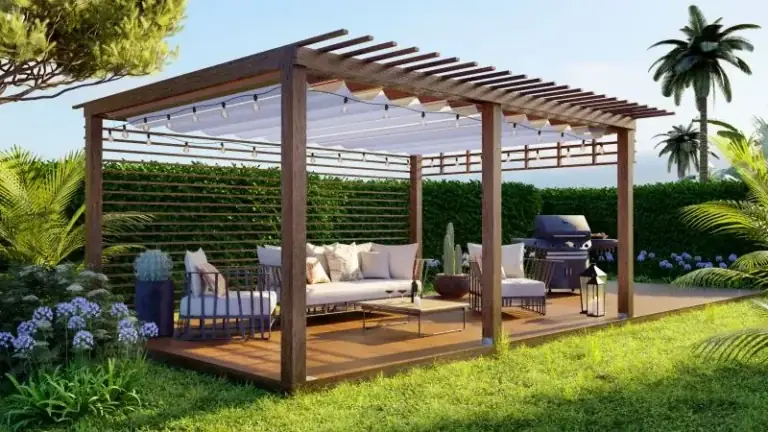
Integrating secondary materials like timber purlins, aluminum louvers, or tensile shade sails into steel frames reduces structural weight demands. Substituting secondary steel members with lighter wood or composite infills lowers overall primary steel tonnage requirements. Hybrid design frameworks reserve heavy structural steel strictly for main load-bearing posts and primary header beams.
Deep Contextual Background
The Architectural Shift toward Metal Overhead Frames
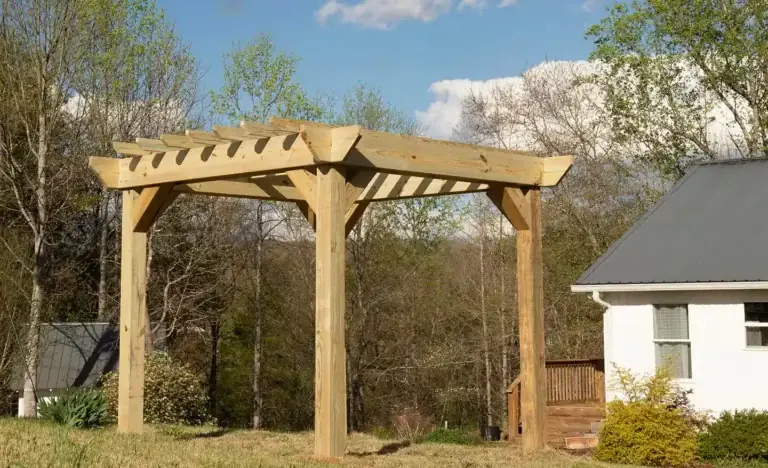
Historically, residential shade structures relied almost exclusively on heavy timber framing or softwoods like cedar and pressure-treated pine. Wood frames required frequent staining, checked under thermal stress, and decayed when exposed to continuous ground moisture over time. Modern architectural design shifted toward structural steel framing to achieve slimmer profiles, longer spans, and modern industrial aesthetics.
Supply Chain Evolutions and Domestic Steel Pricing
Global steel trade dynamics, raw iron ore costs, and energy prices influence domestic structural steel pricing continuously. Steel service centers adjust mill prices per hundredweight based on market availability, alloy demand, and regional processing capacity. Navigating material price volatility requires buyers to understand mill pricing tiers and local steel distributor discounting structures.
Modular Systems and Prefabricated Structural Profiles
The emergence of pre-engineered steel framing kits revolutionized residential outdoor construction by standardizing profile shapes and connections. Factory-punched light-gauge steel members eliminate custom field welding and specialized layout work, reducing material scrap rates dramatically. Standardized modular systems lower raw material expenses by leveraging high-volume industrial roll-forming operations.
Conceptual Frameworks and Mental Models
The Structural Value Engineering Model
Analyzing every structural frame member against its actual load requirement identifies opportunities to downsize excessive wall thicknesses safely. Engineers often specify heavy 3/8-inch wall tubing where a lighter 3/16-inch wall section satisfies building code limits fully. Replacing oversized profiles with optimized wall thicknesses cuts steel weight directly, reducing overall material purchasing expenses.
The Total Cost of Ownership Framework
Evaluating material selections through a long-term economic lens prevents initial purchase savings from turning into high maintenance burdens later. Bare carbon steel costs less upfront than pre-galvanized or stainless steel, but requires frequent repainting to prevent rust. Investing in durable factory coatings lowers long-term lifecycle expenditures across the structure’s operational lifespan.
The Scrap Minimization Matrix
Mapping project cutting schedules onto stock steel mill lengths exposes hidden material waste before placing factory orders. A design requiring thirteen-foot header beams leaves seven feet of unusable scrap from a standard twenty-foot mill tube. Adjusting frame spans to twelve feet allows two headers to be cut from one twenty-four foot stock beam cleanly.
Key Categories of Steel Material Options
Hollow Structural Sections versus Open Flange Beams
Hollow Structural Sections offer smooth visual surfaces, balanced structural strength, and simple connection points for outdoor applications. Wide flange I-beams provide superior bending strength across long spans but collect rainwater and debris in open horizontal channels. Choosing square or rectangular tubing maximizes structural efficiency while minimizing total steel weight.
Light-Gauge Cold-Formed Steel Framing
Light-gauge cold-formed steel channels provide lightweight, high-strength alternatives to heavy hot-rolled structural tubing. Cold-formed profiles are manufactured from thin galvanized sheet steel, making them easy to transport, handle, and assemble on site. Using light-gauge members for secondary rafters lowers structural loads on primary support posts significantly.
Hot-Dipped Galvanized Steel Profiles
Submerging fabricated steel members into molten zinc creates a durable metallurgical bond that resists rust for decades. Galvanized steel eliminates the need for frequent field painting and touch-up work in humid or coastal environments. Purchasing pre-galvanized steel tubing reduces shop labor costs while providing continuous interior and exterior corrosion protection.
Powder-Coated Carbon Steel Assemblies
Electrostatically applying thermosetting powder paint over prepared carbon steel yields smooth, impact-resistant surface finishes in various custom colors. Factory powder coating costs less than stainless steel options while offering clean, modern visual appeal. Applying zinc-rich primer base coats beneath powder finishes extends steel protection against moisture and surface chipping.
Weathering Steel Structural Formations
Weathering steel develops a stable, protective rust patina when exposed to natural weather cycles, eliminating the need for paint coatings. The dense oxide surface layer seals the underlying steel alloy, stopping deep corrosion penetration in non-marine environments. Using weathering steel eliminates coating application costs entirely while delivering a distinct rustic industrial appearance.
Comparative Analysis of Structural Steel Options
Evaluating primary structural steel choices reveals distinct trade-offs in raw material cost, durability, weight, and coating demands.
| Steel Material Option | Relative Material Cost | Strength-to-Weight Ratio | Corrosion Resistance | Coating Requirement |
| Carbon Steel (A36 / A500) | Lowest | Moderate | Poor (Unfinished) | Mandatory Paint / Powder |
| Pre-Galvanized Tubing | Low to Moderate | High | High | Optional Topcoat |
| Light-Gauge Cold-Formed | Moderate | Very High | High | Pre-Galvanized Finish |
| Weathering Steel (A588) | Moderate to High | High | High (Self-Passivating) | None Required |
| Stainless Steel (304 / 316) | Highest | High | Exceptional | None Required |
Systematic Decision Logic for Budget Optimization
Selecting the most cost-effective structural steel framing option requires systematic evaluation of site conditions and structural requirements:
-
Evaluate Environmental Exposure:
-
Choose pre-galvanized or powder-coated carbon steel for standard residential inland environments.
-
Specify hot-dipped galvanized steel or 316-grade stainless steel for high-humidity coastal zones within one mile of saltwater.
-
-
Determine Structural Span Requirements:
-
Use light-gauge cold-formed steel channels for small shade frames with spans under twelve feet.
-
Select heavy A500 Grade B rectangular tubing or wide flange beams when open spans exceed sixteen feet.
-
-
Optimize Fabrication Workflows:
-
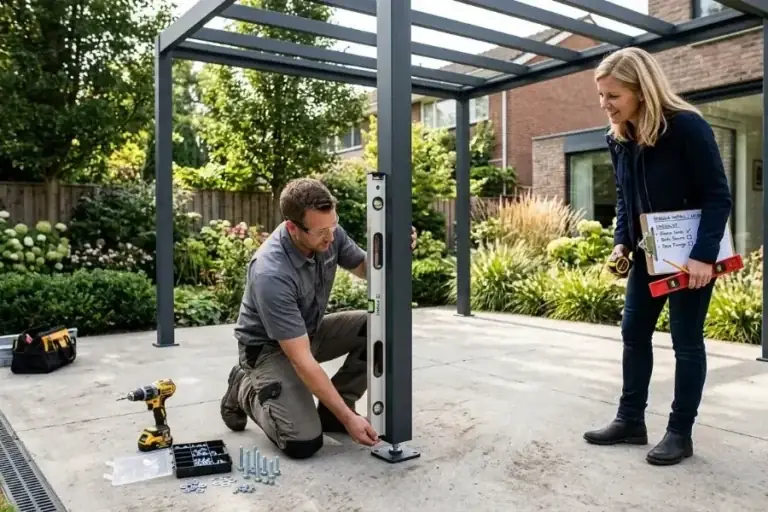
Utilize pre-punched modular bolt-together brackets to avoid expensive certified field welding labor.
-
Design frame footprints that utilize standard twenty-foot or twenty-four-foot mill lengths cleanly without scrap.
-
Detailed Real-World Scenarios How to Reduce Steel Pergola Material Cost
Scenario A: High-Wind Coastal Zone Installation
A property owner designs a custom steel frame located three hundred yards from an ocean shoreline subject to extreme salt spray. Specifying bare carbon steel painted on site results in severe rust blistering within eighteen months, requiring complete recoating. Upfront investment in hot-dipped galvanized steel framing prevents corrosion damage, avoiding expensive restoration labor.
Scenario B: High-Snow Load Mountain Property
A builder designs a heavy steel frame capable of supporting sixty pounds per square foot of seasonal winter snow accumulation. Selecting solid steel I-beams increases structural weight dramatically, requiring expensive heavy crane equipment for jobsite installation. Switching to high-strength rectangular hollow tubing provides equal bending resistance at half the total structural weight, lowering material and crane costs.
Scenario C: Urban Rooftop Weight-Restricted Application
An architect plans an outdoor dining frame on a high-rise rooftop with strict structural floor load limits. Using heavy structural steel tubing exceeds building weight allowances, threatening expensive building retrofits. Re-engineering the frame with light-gauge cold-formed steel channels reduces structure weight by forty percent, meeting structural limits smoothly.
Scenario D: Large Commercial Outdoor Dining Area
A restaurant owner constructs a thirty-foot wide outdoor dining shade frame requiring large column-free seating spaces. Using undersized steel beams requires installing middle support posts that block tables and disrupt floor traffic flow. Installing engineered steel web trusses maximizes span capacity while using lightweight steel angles, keeping total material costs within budget.
Financial Dynamics, Cost, and Resource Planning
Managing steel procurement budgets demands tracking raw material commodity rates, processing surcharges, and transportation expenses carefully.
| Cost Allocation Category | Typical Budget Share | Primary Cost Drivers | Cost Reduction Strategy |
| Raw Structural Steel Tubing | 45% – 55% | Alloy Grade, Wall Thickness, Market Pricing | Downsize wall thickness using structural engineering. |
| Protective Surface Coatings | 20% – 25% | Galvanizing Weight, Powder Prep, Paint Layers | Use pre-galvanized mill tubing for standard runs. |
| Connection Brackets & Fasteners | 10% – 15% | Stainless Hardware, Custom Brackets | Standardize stamped steel bolt-together brackets. |
| Freight & Crane Logistics | 10% – 15% | Member Lengths, Distance, Crane Rental Hours | Limit beam lengths to fit standard delivery trucks. |
Direct and Indirect Material Price Drivers
Raw steel mill pricing depends heavily on section shapes, wall thicknesses, alloy compositions, and order quantities. Steel service centers charge premium rates for non-standard wall thicknesses or unusual tube dimensions due to limited mill production runs. Sticking to widely stocked steel section sizes allows buyers to secure competitive volume pricing from local distributors.
Material Procurement Budget Allocation
Allocating material funds effectively requires prioritizing primary structural support members before choosing decorative additions. Investing in thick support posts prevents structural sway while allowing lighter secondary rafters to save material weight. Balancing structural member sizes across the entire frame prevents overspending on non-critical components.
Tools, Strategies, and Support Systems How to Reduce Steel Pergola Material Cost
Utilizing modern steel design software, standardized connection hardware, and efficient distributor networks reduces material expenditures.
Structural Section Calculators and Takeoff Tools
Digital section property calculators allow designers to analyze moment of inertia values across different steel profile options instantly. Comparing section properties helps engineers find lighter tube shapes that offer identical bending resistance at lower weights. Using digital takeoff tools prevents over-ordering raw steel materials from distributors.
Local Metal Service Center Sourcing
Purchasing structural steel directly from regional steel service centers bypasses retail markups associated with local hardware supply yards. Distributors offer direct pricing per hundredweight on full mill lengths, reducing raw material purchasing costs significantly. Establishing commercial accounts with local distributors unlocks volume tier discounts on large structural orders.
Pre-Engineered Kit Standardization
Buying standardized pre-engineered steel pergola kits leverages industrial manufacturing efficiencies to lower per-unit material costs. Kit manufacturers buy raw steel coils in massive quantities, passing volume savings down to end consumers. Pre-machined kit components eliminate local shop fabrication fees and custom cutting scrap.
Modular Bolt-Together Connection Systems
Utilizing stamped steel corner brackets and post bases eliminates expensive certified field welding requirements during frame assembly. Modular brackets slide into standard tube ends, securing structural joints tightly with standard structural bolts. Eliminating field welding reduces specialized labor costs while speeding up overall jobsite installation schedules.
Factory-Applied versus Field-Applied Coatings
Applying protective powder coatings or galvanizing in automated factory environments costs significantly less than manual field painting. Industrial coating lines prepare steel surfaces with shot blasting, ensuring superior paint adhesion and longer finish lifespans. Automated surface prep prevents early coating failure and reduces touch-up repainting expenses.
Nested Cutting Diagrams and CAD Optimization
Computer-aided drafting software generates optimized nested cutting schedules that lay out required frame members along stock mill lengths. Nesting algorithms calculate exact cut angles and blade kerf losses, minimizing raw steel off-cut waste during fabrication. Digital cutting optimization ensures maximum usable yield from every purchased steel tube.
Risk Landscape and Failure Modes
Failing to balance material cost reductions against sound structural engineering principles introduces serious failure hazards.
Structural Undersizing and Deflection Failures
Downsizing steel tube wall thicknesses excessively to cut material costs leads to unsightly beam sag under heavy loads. Overloaded structural headers deform permanently under wind or snow accumulation, compromising frame stability and safety. Adhering strictly to maximum allowable deflection limits prevents permanent structural deformation.
Premature Atmospheric Corrosion
Omitting protective coatings on raw carbon steel to save money causes rapid rust development in exposed outdoor environments. Moisture penetrates unpainted steel joints quickly, causing metal flaking, structural thinning, and eventual connection failure. Applying quality primers and protective surface coatings prevents atmospheric corrosion damage.
High Off-Cut Scrap Rates
Failing to calculate cut schedules against standard steel mill lengths results in excessive waste material left on shop floors. Paying for raw steel off-cuts that cannot be used in construction inflates overall material costs unnecessarily. Planning frame dimensions around stock mill lengths eliminates high scrap waste rates.
Long-Term Governance, Maintenance, and Adaptation
Establishing regular maintenance routines preserves structural steel integrity and protects initial coating investments over time.
Periodic Inspection and Maintenance Protocols
Inspecting painted or galvanized steel frames annually identifies scratches, surface rust spots, and loose connection hardware early. Touching up minor paint chips promptly stops corrosion from spreading beneath surrounding protective coating layers. Maintaining tight bolt connections prevents joint movement and keeps the overall structure rigid.
-
Spring Structural & Coating Audit:
-
Inspect post base connections for standing water or rust accumulation.
-
Examine painted surfaces for scratches, chips, or rust bleeding near joints.
-
Verify all structural assembly bolts remain fully tightened to specified torque levels.
-
-
Mid-Summer Surface Cleaning:
-
Wash steel surfaces with mild soap and fresh water to remove accumulated dirt and salts.
-
Clear leaves, soil, and organic debris away from post bases to prevent moisture trapping.
-
-
Autumn Touch-Up Maintenance:
-
Sand away minor surface rust on carbon steel members down to bare bright metal.
-
Apply zinc-rich primer and matching topcoat touch-up paint over damaged surface areas.
-
Measurement, Tracking, and Evaluation Metrics
Tracking material utilization rates, scrap percentages, and coating lifespans provides quantitative feedback on procurement efficiency.
Material Efficiency Indicators
Leading efficiency indicators measure raw steel scrap percentages, weight optimization gains, and distributor price variances per pound. Keeping cutting scrap rates below five percent proves that frame layouts match stock mill lengths effectively. Monitoring raw steel weight per square foot highlights successful structural downsizing efforts.
Lagging indicators track long-term coating performance, maintenance expenses, and structural deflection rates over years of service. Spotting zero rust formation after five years confirms the chosen coating system delivers high long-term value. Tracking zero measurable beam deflection proves structural downsizing met code safety requirements.
Material Quality Audit Checklist
Executing systematic quality checks during steel procurement prevents material defects and construction errors:
-
Mill Test Report Verification: Confirm raw steel tubing meets specified ASTM A500 or A36 yield strength standards.
-
Wall Thickness Audit: Measure tube wall dimensions using digital calipers to verify nominal gauge specs.
-
Coating Thickness Testing: Check galvanizing or powder coat mill thickness using magnetic coating gauges.
-
Fastener Grade Check: Verify assembly bolts are high-strength galvanized or stainless steel grades.
Common Misconceptions and Structural Myths How to Reduce Steel Pergola Material Cost
Debunking persistent steel material myths helps buyers make smart purchasing choices based on metallurgical facts.
Myth 1: Thicker Steel Gauge Always Guarantees Better Value
Correction: Increasing steel wall thickness adds weight and cost rapidly without always improving structural performance where it matters most. Increasing tube height or depth improves bending resistance far more efficiently than simply thickening wall dimensions. Choosing deeper, thinner-walled sections provides superior strength at lower total steel weights.
Myth 2: Stainless Steel Is Required for Outdoor Durability
Correction: While stainless steel offers high corrosion resistance, its extreme material cost makes it unnecessary for most inland structures. Hot-dipped galvanized carbon steel or quality powder-coated steel provides decades of rust protection at a fraction of the cost. Reserving stainless steel strictly for marine environments keeps material budgets manageable.
Myth 3: Field Welding Costs Less than Bolted Brackets
Correction: Field welding requires hiring certified welders, bringing heavy generator equipment to jobsites, and performing meticulous grinding. Welded joints also burn away protective factory coatings, requiring expensive manual field touch-up work. Utilizing pre-engineered bolted connection brackets speeds up assembly and lowers total installation costs.
Myth 4: Custom Structural Profiles Outperform Standard Mill Sizes
Correction: Specifying custom steel shapes or unusual tube dimensions forces steel mills to run specialized production batches at high costs. Standard square and rectangular hollow sections are mass-produced constantly, offering high availability and lower prices per pound. Designing around stock mill profiles keeps raw material expenses low.
Environmental, Contextual, and Regional Considerations
Evaluating steel recyclability, thermal behavior, and local fabrication options supports sustainable, cost-effective project execution.
Material Circularity and Recycled Content
Structural steel is one of the most recycled materials globally, with modern electric arc furnace steel containing over ninety percent recycled content. Choosing domestic structural steel supports sustainable manufacturing practices and lowers environmental impacts. Steel framing members can be fully recycled at the end of their long operational lifespans.
Thermal Dynamics and Heat Retention
Dark-painted steel absorbs solar radiation rapidly under hot summer sun exposure, increasing surface temperatures across overhead beams. Selecting lighter powder coat colors or reflective pre-galvanized finishes reduces surface heat absorption significantly. Keeping steel cooler minimizes thermal expansion stress across long framing spans and connection anchors.
Local Fabrication Economics
Working with local metal fabrication shops reduces long-distance shipping freight costs associated with moving heavy structural steel members. Regional fabricators understand local building code preferences and source raw steel efficiently from nearby distributors. Supporting local metal shops keeps transportation costs down while providing responsive customer service.
Strategic Structural Conclusion
Optimizing steel shade frame budgets requires combining sound structural engineering, precise material sourcing, and efficient fabrication methods. Property owners who understand metallurgical properties can implement strategies for how to reduce steel pergola material cost effectively. Specifying standard hollow structural sections, optimizing mill cut lists, and selecting suitable protective coatings ensures durable, cost-effective installations.
Achieving lasting building success depends on balancing initial raw material costs against long-term maintenance demands and structural safety requirements. Prioritizing efficient profile shapes, factory-applied finishes, and modular bolt-together connection hardware prevents material waste and high labor expenses. Careful planning transforms raw structural steel into elegant, long-lasting outdoor architectural features that deliver high value for decades.